Woolen, Cashmere & Blended Fabricsfor Refined Winter Garments
From Qingdao, Honghuayuan develops woolen, cashmere and multi-component blended fabrics for coats, premium womenswear and seasonal apparel collections.
From sample records to production coordination
Find the fabric for your collection.
From cashmere and wool to double-faced woolens, overcoat fabrics, textured woolens and plush novelty surfaces, the first step is to clarify use, handfeel, weight and color direction.
Cashmere Fabrics
Premium womenswear, autumn/winter coats and soft-touch fabric lines
Explore the series →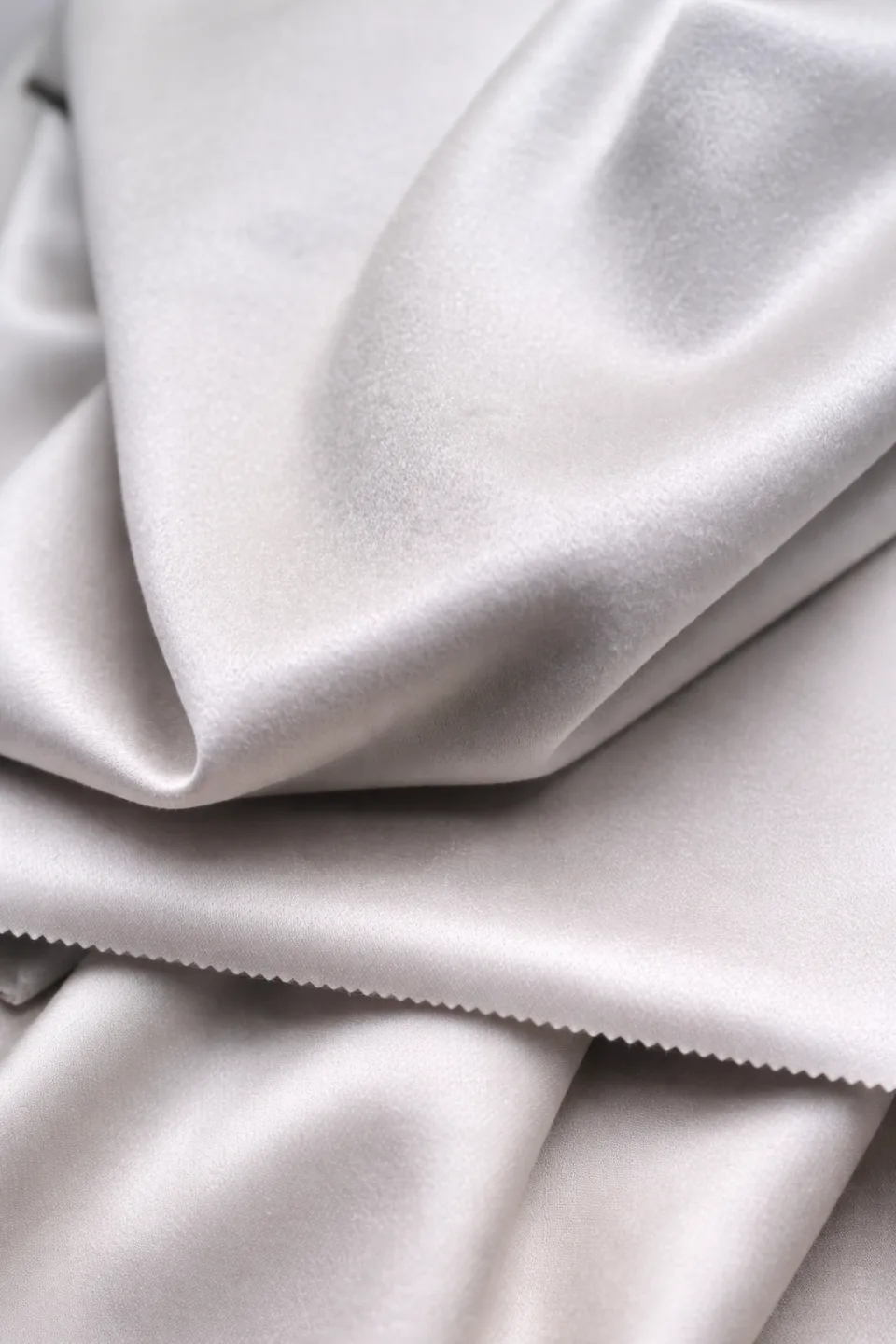
Wool Fabrics
Coats, jackets, commuter outerwear and seasonal collections
Explore the series →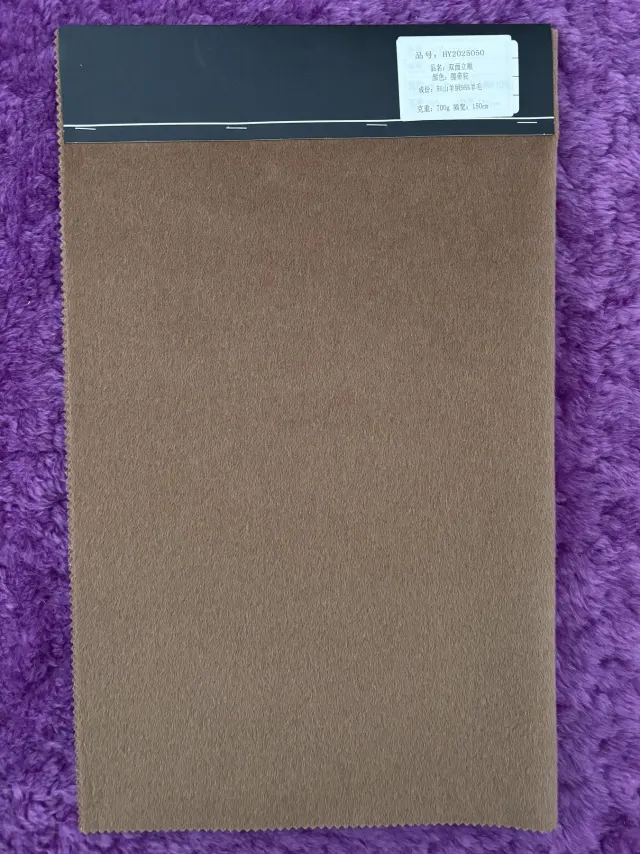
Double-Faced Woolens
Double-faced coats, shaped outerwear and autumn/winter sets
Explore the series →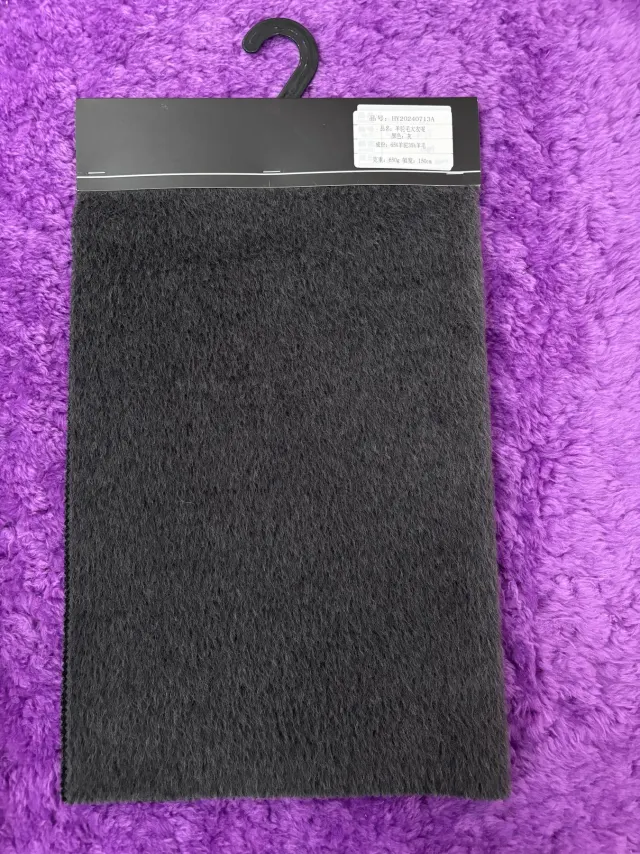
Overcoat Fabrics
Medium-to-heavy coats, long outerwear and core brand styles
Explore the series →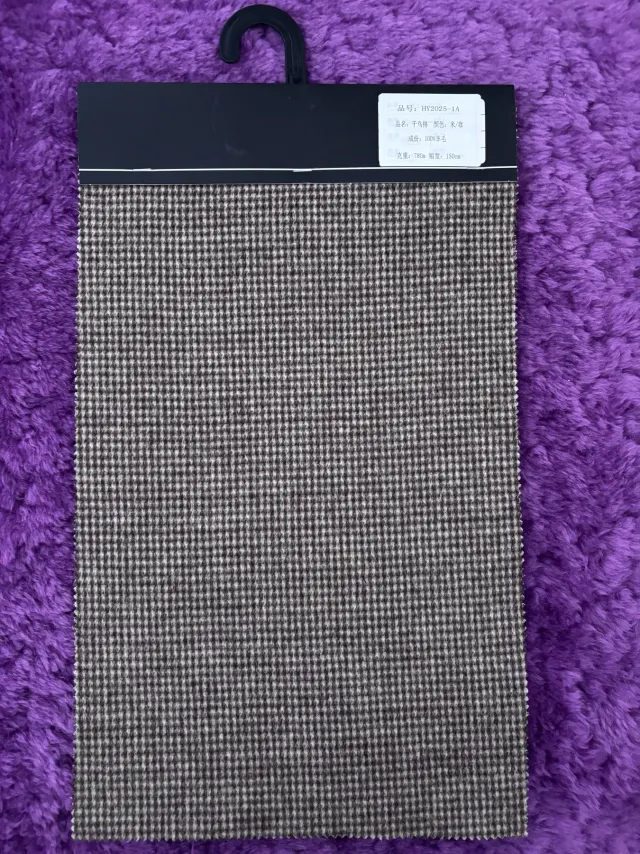
Woolen Textures
Textured outerwear, check series and autumn/winter development styles
Explore the series →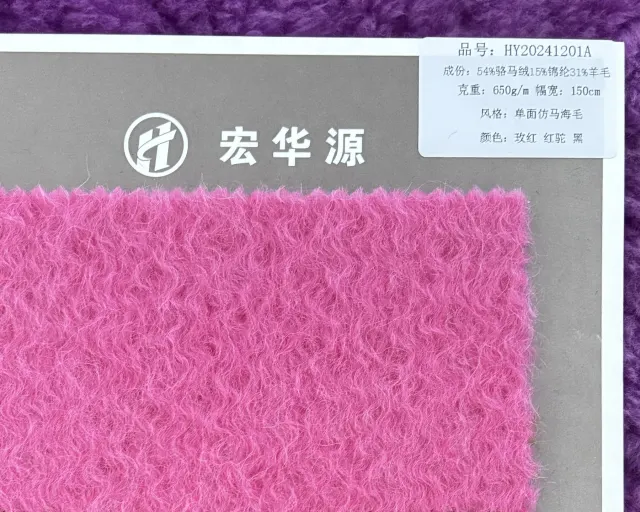
Plush & Novelty
Casual outerwear, hooded styles and creative womenswear collections
Explore the series →From sample cards to bulk delivery
We review your brief and reference samples, confirm the fabric through sampling, then carry those specifications through production and delivery.
Requirement Review
Confirm the garment use, season, target material and budget direction first.
Reference Sample / Color Card
Use an existing fabric, color card or target image as the development reference.
Sample Confirmation
Review the sample card around weight, handfeel, shade and surface effect.
Process Adjustment
Adjust structure, dyeing, finishing and post-finishing based on sample feedback.
Bulk Production
Move into bulk production according to the confirmed sample and production schedule.
Quality Review
Check appearance, width, weight, handfeel and batch condition item by item.
Delivery Review
Review the confirmed sample and order requirements again before delivery.
The right finish starts with the fiber.
Cashmere, wool, mohair, silk, camel hair and alpaca each behave differently in handfeel, elasticity, shrinkage and garment performance.
We align fiber, structure and finishing with your target handfeel through sampling. The approved sample then guides production.
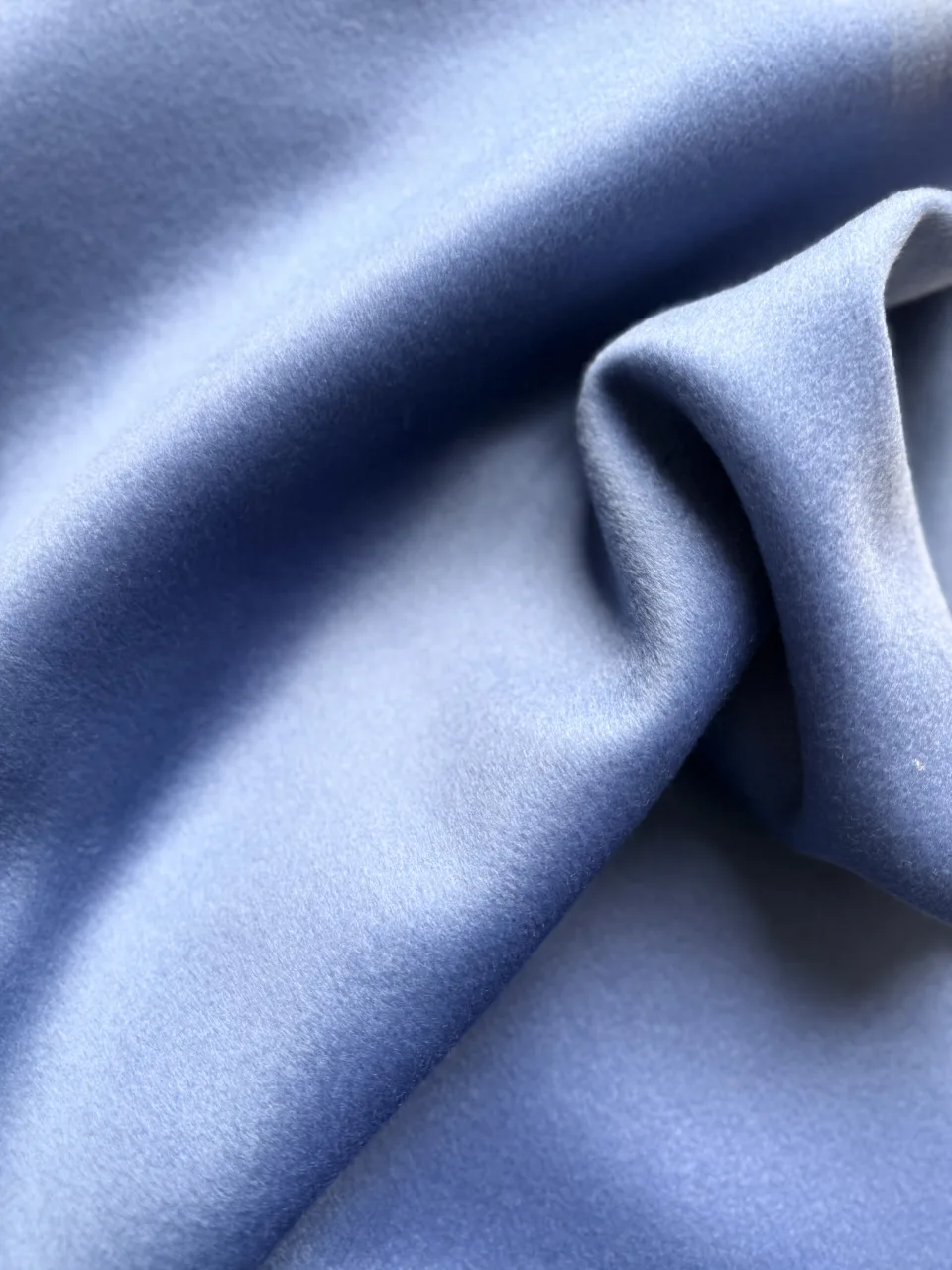
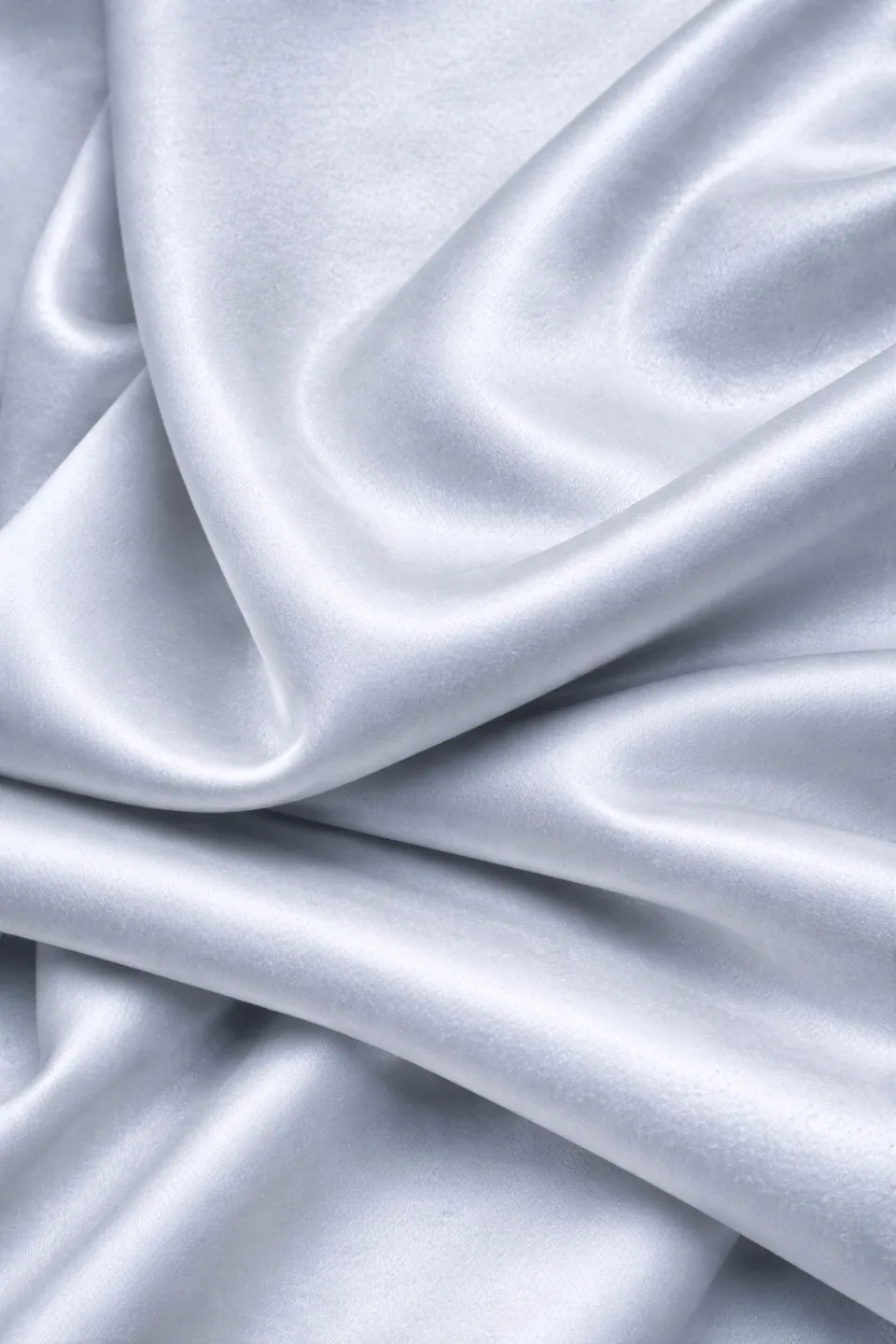
Color is more than a color number.
Cashmere, wool, mohair, silk and functional blends show different pile surfaces, gloss and depth across color directions.
Color is judged together with color-card comparison, fiber character, thickness, loft and garment style, so it lands in the real fabric texture.
Sampling around the application
New products are developed by season, garment use and incoming sample direction, with color cards completed in parallel.
New Development & Small-Batch Sampling
Sampling is arranged by season, garment use and target handfeel.
Multi-Fiber Blend Directions
Cashmere, wool, mohair, silk, camel hair, llama wool and alpaca can be reviewed.
Texture, Weight & Style Trials
Texture, pile and weight are tested together to approach the target appearance.
Color Card & Batch Continuity
Color cards and confirmed samples support later batch color and appearance stability.
Start with one sample fabric.
Clarify the use, handfeel, weight and color sample, and it becomes much easier to align sample cards and bulk production.
- Garment use and product direction
- Target material and weight range
- Color, color card or incoming sample
- Estimated quantity and delivery timing